Vintage Floral Wall Art Templates: A Practical Guide to Elegant Botanical Design
In the evolving landscape of home decor and digital crafting, Vintage Floral Wall Art Templates have emerged as a sophisticated bridge between traditional aesthetics and modern fabrication techniques. For creators, interior designers, and DIY enthusiasts, these resources offer more than just decorative patterns; they provide a structured foundation for producing high-quality, professional-grade art. Whether you are working with laser cutters like Glowforge, vinyl cutters such as Cricut, or traditional printing methods, understanding the nuances of these templates is essential for achieving optimal results.
This article explores the distinct characteristics of vintage floral panel designs, compares them to alternative design approaches, and evaluates their suitability for various creative projects. By examining the technical specifications and aesthetic versatility of these assets, you can make informed decisions about integrating them into your workflow.
Defining the Vintage Floral Aesthetic in Digital Craft
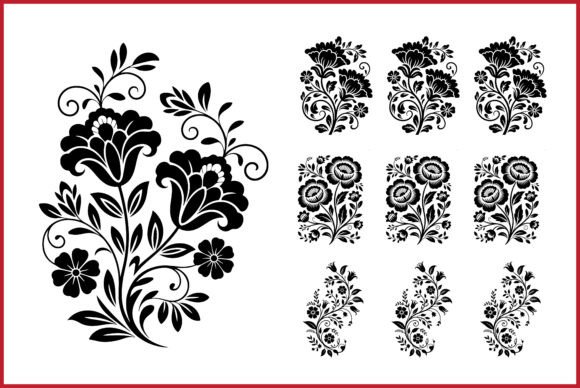
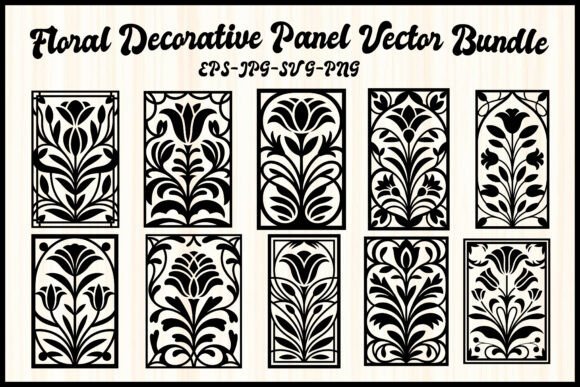
At its core, a vintage floral wall art template is a pre-designed vector or raster image that captures the intricate details of botanical illustrations from previous eras. Unlike generic clip art, these templates are engineered with precision. The specific bundle referenced here includes eight unique rectangular floral panel designs, each featuring detailed black botanical patterns enclosed within elegant frames. This structure is not arbitrary; the rectangular framing provides a natural boundary for wall hangings, signage, and decorative panels, ensuring that the final product looks intentional and balanced.
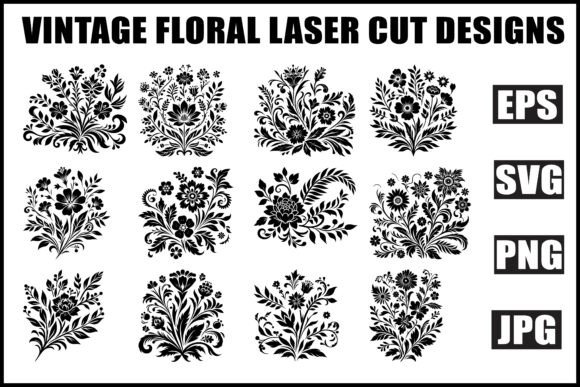
The "vintage" aspect refers to the style of the flora—often reminiscent of Victorian botanical prints or Art Nouveau curves—while the "template" aspect implies usability. These files are not static images meant only for viewing; they are functional tools. The inclusion of formats like EPS, SVG, PNG, and JPG ensures compatibility across a wide spectrum of software and hardware. For instance, the SVG (Scalable Vector Graphic) format allows for infinite resizing without loss of quality, which is critical for large-scale wall art or small, intricate jewelry pieces.
Comparing Template Types: Vector vs. Raster and Static vs. Dynamic
When evaluating design resources, it is crucial to understand where vintage floral templates fit within the broader ecosystem of digital assets. Many beginners mistakenly assume that any floral image can be used for cutting or high-resolution printing. However, the distinction between vector and raster files significantly impacts the outcome.
The Advantage of Vector Files (EPS and SVG)
Vector files, such as the EPS and SVG formats included in this bundle, are mathematically defined paths rather than pixel grids. This makes them indispensable for laser cutting and CNC machining. When using a Glowforge or similar laser cutter, the machine follows these paths to cut through wood, acrylic, or leather. If you were to use a low-resolution JPEG instead, the edges would appear jagged, and the machine might struggle to interpret the design, leading to burns or incomplete cuts. Vintage floral wall art templates provided in vector format ensure smooth, clean lines, which is particularly important for the delicate petals and leaves typical of botanical designs.
The Role of High-Resolution Raster Files (PNG and JPG)
While vectors dominate the cutting world, raster files remain essential for printing and digital display. The 300 DPI (dots per inch) resolution mentioned in the product details is the industry standard for high-quality printing. A transparent background PNG allows designers to overlay these floral panels onto other textures or colors without manual editing, saving significant time. In contrast, a standard JPG with a white background would require additional steps to isolate the design, potentially introducing artifacts or errors.
Evaluating Use Cases: When to Choose Floral Panels
Not every project benefits from the same type of design asset. Understanding the specific strengths of vintage floral wall art templates helps determine when they are the right choice versus when a different approach might be necessary.
Ideal Scenarios for Floral Panel Templates
- Laser Cutting and Engraving: The precise lines of these templates are optimized for machines that rely on clear path definitions. Wood engraving projects, in particular, benefit from the high-contrast black designs, which translate well into depth and texture on natural materials.
- Home Decor Signage: The rectangular frame structure is perfectly suited for creating welcome signs, wedding seating charts, or inspirational quotes. The floral borders add elegance without overwhelming the central text.
- Digital Scrapbooking and Print-on-Demand: For those selling digital planners or physical prints, the transparent PNGs allow for easy layering. The vintage aesthetic appeals to a demographic that values nostalgia and sophistication, making these templates highly marketable.
Limitations and Considerations
While versatile, these templates are not a universal solution. If your project requires highly customized, non-rectangular shapes, you may need to modify the vector files extensively. Additionally, while the designs are "ready-to-cut," complex floral patterns can sometimes require slower cutting speeds to prevent material charring, especially in dense woods. Users must balance the intricacy of the design with the capabilities of their specific machinery.
Furthermore, if you are looking for modern, minimalist, or abstract aesthetics, vintage floral templates may not align with your brand identity. In such cases, exploring geometric or contemporary line-art alternatives would be more appropriate. The decision ultimately hinges on the desired emotional response of the final piece; vintage florals evoke warmth, tradition, and elegance, whereas other styles may convey modernity or starkness.
Technical Specifications and Quality Assurance
The value of any digital asset lies in its technical reliability. The bundle described offers four key file formats, each serving a distinct purpose in the creative workflow.
- EPS (Encapsulated PostScript): Ideal for professional graphic design software like Adobe Illustrator. It preserves editability, allowing users to adjust node points, change line weights, or combine elements with other vectors.
- SVG (Scalable Vector Graphics): The preferred format for web-based cutting software and consumer-level machines like Cricut Design Space. It is lightweight and universally compatible.
- PNG (Portable Network Graphics): With a transparent background and 300 DPI resolution, this format is perfect for sublimation printing, digital overlays, and high-quality inkjet printing.
- JPG (Joint Photographic Experts Group): Suitable for quick previews, social media sharing, or projects where transparency is not required.
The inclusion of eight unique designs provides variety, preventing repetitive visuals in larger collections or multi-room decor schemes. This diversity allows creators to maintain a cohesive vintage theme while avoiding monotony.
Making the Right Choice for Your Project
Selecting the right design resource involves assessing your technical skills, equipment, and end goals. If you are new to laser cutting, starting with pre-tested vintage floral wall art templates reduces the learning curve. You bypass the trial-and-error phase of designing cut-friendly paths from scratch. For experienced designers, these templates serve as a time-saving base that can be customized further.
Consider the material you intend to use. Intricate floral designs look stunning in thin plywood or acrylic but may be fragile in thicker, brittle materials. Always test cut a small section to evaluate structural integrity. Additionally, think about the finish. Black botanical designs contrast beautifully with light woods like birch or maple, enhancing the visibility of the detailed patterns.
Ultimately, the decision to use these templates should be driven by a desire for efficiency and aesthetic consistency. They offer a professional polish that can be difficult to achieve manually, especially under tight deadlines. By leveraging high-quality, multi-format assets, creators can focus more on the assembly and finishing touches of their projects, rather than getting bogged down in the initial design phase.
In conclusion, vintage floral wall art templates represent a valuable resource for anyone involved in digital crafting or interior design. Their blend of historical charm and modern technical compatibility makes them a versatile tool in the creative arsenal. By understanding their strengths, limitations, and optimal use cases, you can integrate them effectively into your workflow, producing results that are both visually striking and technically sound.