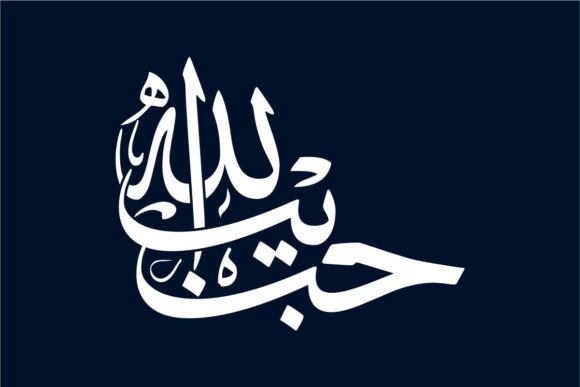
Understanding the Artistic and Spiritual Value of Habibullah Arabic Calligraphy
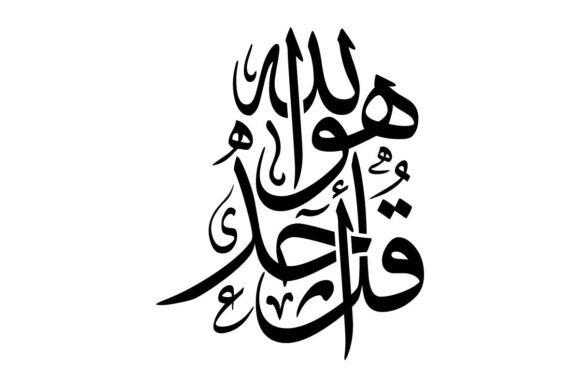
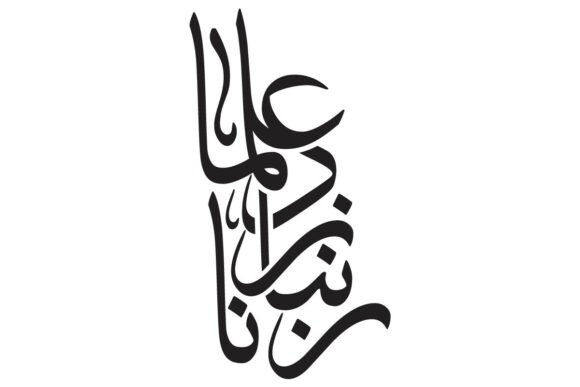
In the realm of digital design and Islamic art, finding assets that balance aesthetic elegance with theological accuracy can be a significant challenge for creators. The phrase Habibullah, translated as "Beloved of Allah," holds profound spiritual weight in Islamic tradition. It is most commonly associated with the Prophet Muhammad, serving as a title of deep reverence and love. When this phrase is rendered into high-quality vector calligraphy, it becomes more than just text; it transforms into a versatile design element suitable for a wide array of professional applications. This article explores the practical utility, design characteristics, and cultural significance of Habibullah Arabic Calligraphy Translated artwork, offering a clear perspective for designers, publishers, and content creators looking to incorporate meaningful Islamic motifs into their work.
The Significance of the Phrase and Its Visual Representation
Before evaluating the technical aspects of the artwork, it is essential to understand the semantic depth of the term. Habibullah is not merely a decorative word; it carries centuries of religious and cultural heritage. For audiences within the Muslim community, seeing this phrase displayed prominently evokes a sense of connection and respect. Therefore, the visual representation must match the dignity of the meaning. Poorly executed calligraphy can detract from the message, whereas a well-designed vector piece enhances the spiritual resonance of the content.
The translation, "Beloved of Allah," provides immediate context for non-Arabic speakers, making the artwork accessible to a broader, multicultural audience. This dual-layered appeal—visual beauty for all viewers and spiritual significance for those familiar with the tradition—makes the asset particularly valuable for educational materials, interfaith dialogue resources, and culturally diverse marketing campaigns.
Technical Advantages of Vector Format in Professional Design
One of the primary strengths of Habibullah Arabic Calligraphy Translated when provided in vector format is its scalability. Unlike raster images (such as JPEGs or PNGs), vector graphics are built using mathematical paths rather than pixels. This distinction is critical for professionals who require flexibility across different media.
- Infinite Scalability: The artwork can be resized from a small icon on a mobile app to a large-format banner for a conference hall without any loss in quality or sharpness.
- Editability: Designers can easily adjust colors to match specific brand palettes or project themes. This ensures consistency across various deliverables, from business cards to social media graphics.
- File Efficiency: Vector files are typically smaller in size compared to high-resolution raster images, leading to faster load times for web-based projects and easier file management.
For freelancers and agency teams, these technical benefits translate directly into workflow efficiency. The ability to manipulate the artwork without needing to recreate it saves time and reduces the risk of errors during the production phase.
Practical Applications for Creators and Businesses
The versatility of this calligraphic piece allows it to fit seamlessly into numerous real-world scenarios. Understanding where and how to use the artwork helps maximize its value.
Print Media and Publishing
Publishers producing books on Islamic history, theology, or poetry can utilize this vector art for chapter headers, cover designs, or section dividers. The clean lines of vector graphics ensure that the text remains crisp even in high-density print runs. Additionally, educators creating lesson plans or classroom decorations can use the phrase to teach students about Islamic titles and values, providing a visual anchor for theoretical concepts.
Digital Content and Social Media
In the digital space, visual engagement is paramount. Bloggers and social media managers can incorporate the Habibullah Arabic Calligraphy Translated design into posts celebrating religious holidays such as Mawlid al-Nabi (the Prophet's birthday). The aesthetic appeal of the calligraphy can increase shareability and engagement rates among target audiences. Furthermore, web designers can use the SVG format to create interactive elements on websites, such as hover effects or animated introductions, enhancing user experience without compromising performance.
Merchandise and Product Design
Small business owners specializing in modest fashion, home decor, or stationery can leverage this artwork for product customization. Whether printed on tote bags, framed wall art, or greeting cards, the phrase serves as a central design element that resonates emotionally with consumers. The vector format ensures that the design looks professional regardless of the printing method used, whether it be screen printing, embroidery digitization, or direct-to-garment printing.
Evaluating Quality and Cultural Sensitivity
When selecting Arabic calligraphy assets, quality assessment goes beyond technical specifications. It involves evaluating the artistic integrity and cultural appropriateness of the design. High-quality Habibullah Arabic Calligraphy Translated artwork should adhere to traditional rules of proportion and flow, known as Qawa'id. Deviations from these norms can result in illegible or aesthetically displeasing outcomes, which may offend knowledgeable viewers.
Professionals should look for designs that balance modern stylistic choices with classical foundations. The curves should be smooth, the spacing balanced, and the overall composition harmonious. Additionally, the inclusion of the English translation ("Beloved of Allah") should be handled with typographic care, ensuring that the font choice complements the Arabic script rather than competing with it. This attention to detail reflects a respect for the source material and enhances the credibility of the final product.
Who Benefits Most from This Asset?
While the appeal of Islamic art is universal, certain groups will find specific value in this particular calligraphy piece:
- Graphic Designers: Those working with clients in the Middle East, North Africa, or Southeast Asia, or those targeting Muslim demographics globally, will find this asset indispensable for creating culturally relevant designs.
- Content Creators and Influencers: Individuals focusing on lifestyle, faith, or cultural education can use the artwork to elevate the visual quality of their content, establishing a stronger connection with their audience.
- Educational Institutions: Schools and universities offering courses in religious studies, art history, or Middle Eastern cultures can use the vector art in presentations and learning materials to illustrate linguistic and artistic concepts.
- Non-Profit Organizations: Charities and community groups organizing events or fundraising campaigns can use the imagery to foster a sense of community and shared values.
Limitations and Considerations
Despite its many advantages, users should be aware of certain limitations. First, while vector formats are highly editable, modifying the actual structure of the Arabic letters requires specialized knowledge of the language and calligraphy techniques. Incorrect alterations can change the meaning or render the text unreadable. Therefore, it is advisable to limit edits to color, size, and placement unless working with a qualified Arabic typographer.
Second, context matters. Using religious terminology in commercial products requires sensitivity. Designers should ensure that the placement of the phrase respects Islamic guidelines regarding the handling of sacred text. For instance, placing the name or title on items that may be treated disrespectfully or disposed of improperly should be avoided. Ethical consideration is a key component of responsible design practice.
Final Thoughts on Integrating Habibullah Calligraphy into Your Workflow
The Habibullah Arabic Calligraphy Translated vector artwork represents a convergence of spiritual tradition and modern design utility. For professionals seeking to add depth, cultural relevance, and aesthetic beauty to their projects, this asset offers a reliable and flexible solution. Its strength lies not only in its visual appeal but also in its ability to communicate a powerful message of love and reverence across linguistic barriers.
By understanding the technical benefits of vector graphics and the cultural significance of the phrase, creators can make informed decisions about how best to utilize this resource. Whether for print, digital, or product design, the key to success lies in respectful integration and attention to detail. When used appropriately, this calligraphy piece can enhance the emotional impact of your work, fostering a deeper connection with your audience and elevating the overall quality of your creative output.