Earth Element Illustration for Modern Design
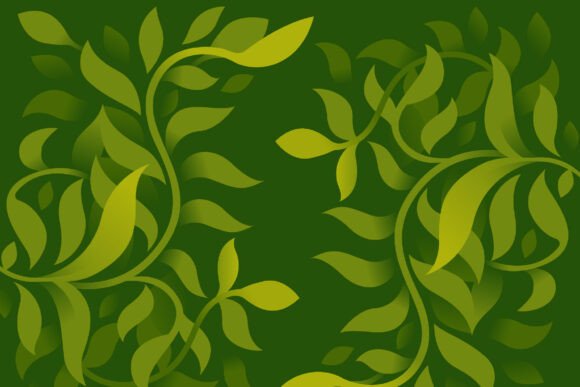
In the fast-paced digital landscape, where screens dominate our daily interactions, there is a growing psychological need for visual respite. This is where the Earth Element Illustration becomes more than just a decorative asset; it serves as a bridge between the user and a sense of grounded calm. By leveraging a lush vector illustration representing the Earth element, designers and brand strategists can tap into the innate human connection to nature. The specific aesthetic of intertwining green leaves and organic shapes on a deep forest background does not merely fill space—it radiates calmness and natural energy, creating an immediate emotional resonance with the audience.
The Visual Language of Grounded Design
Understanding the core components of this illustration style is essential for effective implementation. The artwork is defined by its flowing vine and leaf patterns, which guide the eye naturally across the composition. Unlike rigid geometric designs that can feel cold or corporate, these organic lines mimic the unpredictability and beauty of the natural world. The use of layered green tones adds significant depth and texture, preventing the image from appearing flat despite its minimalist roots. This layering technique creates a sense of dimensionality, inviting the viewer to look closer and explore the details.
The symmetrical layout offers a sense of balance and stability, which is crucial for branding that aims to convey trust and reliability. When you combine this structure with a minimalist flat vector style, the result is a versatile graphic that remains crisp and legible at any size. Whether displayed on a massive billboard or a small mobile screen, the clarity of the vector format ensures that the intricate details of the leaves and vines remain sharp. This scalability is a primary reason why such illustrations are favored in modern web and print design.
Strategic Applications in Branding and Marketing
For entrepreneurs and marketers, the choice of visual assets directly influences brand perception. An Earth Element Illustration is particularly powerful for eco-branding, but its utility extends far beyond environmental nonprofits. Any business looking to project values of sustainability, health, wellness, or organic quality can benefit from this aesthetic. Consider a skincare line that uses natural ingredients. Placing this lush vector illustration on their packaging or website homepage instantly communicates purity and botanical origins without needing excessive text.
In the realm of content marketing, bloggers and publishers can use these graphics to break up text-heavy articles. The deep forest background provides a high-contrast canvas that makes white or light-colored typography pop, improving readability while maintaining a sophisticated look. For social media managers, these images serve as excellent templates for quotes or announcements. The organic shapes create natural negative space where text can be overlaid without cluttering the design, ensuring that the message remains the focal point while the background enhances the mood.
Enhancing User Experience in Digital Products
User experience (UX) designers often overlook the emotional impact of background elements. However, integrating an Earth Element Illustration into app interfaces or website headers can significantly reduce cognitive load. The calming effect of green hues has been well-documented in color psychology, associated with relaxation and balance. When users land on a page featuring this deep forest background, their stress levels may subtly decrease, leading to longer session durations and higher engagement rates.
Furthermore, the file format plays a critical role in digital performance. Since the illustration is available in SVG (Scalable Vector Graphics), it offers distinct advantages over raster images like JPEGs or PNGs. SVG files are typically smaller in file size, which contributes to faster page load times—a key factor in SEO rankings and user retention. Additionally, because vectors are code-based, developers can easily manipulate colors or animate specific elements, such as making the vines sway gently, to add interactive depth to the user interface.
Practical Considerations for Implementation
While the aesthetic appeal is obvious, successful integration requires thoughtful execution. One common mistake is ignoring contrast ratios. The deep forest background is rich and dark, which means that any text or icons placed over it must be sufficiently light to meet accessibility standards. Designers should test their combinations using contrast checkers to ensure that the content remains readable for all users, including those with visual impairments.
Another consideration is context. While the organic, symmetrical layout works beautifully for centered hero sections or book covers, it might feel restrictive in dynamic, asymmetrical web layouts. In such cases, consider cropping the illustration to focus on specific clusters of leaves or vines. This allows you to maintain the thematic consistency of the Earth Element Illustration while adapting it to more complex grid systems. The layered green tones can also be adjusted; if your brand palette includes specific shades of teal or olive, the vector nature of the file allows for easy recoloring to match your brand guidelines perfectly.
Educational and Creative Uses
Educators and instructional designers can leverage this artwork to make learning materials more engaging. For subjects related to biology, environmental science, or even mindfulness and mental health, the visual metaphor of growth and interconnectedness provided by the intertwining vines reinforces the lesson content. Worksheets, presentation slides, and e-learning modules benefit from the professional yet approachable vibe of the minimalist flat vector style.
Creative professionals, such as freelance illustrators or hobbyists, can use this piece as a foundational element in mixed-media projects. The clean lines of the vector art blend well with hand-drawn textures or photographic elements. For instance, a wedding invitation designer might overlay gold foil textures onto the green leaves to create a luxurious, nature-inspired invite. The versatility of the organic shapes allows for endless customization, making it a valuable asset in any creative toolkit.
Why Quality Vector Assets Matter
Investing in high-quality illustrations like this Earth Element Illustration pays dividends in professionalism. Low-resolution or poorly constructed graphics can undermine credibility, suggesting a lack of attention to detail. In contrast, a well-crafted vector illustration signals that a brand or creator values quality and precision. The smooth curves and balanced composition reflect a level of care that resonates with discerning audiences.
Moreover, the efficiency gained from using pre-made, high-quality assets cannot be overstated. For small business owners and freelancers working with tight deadlines, having access to a ready-to-use SVG file eliminates the time and cost associated with commissioning custom artwork. It allows for rapid prototyping and deployment of marketing materials, enabling creators to focus their energy on strategy and content rather than getting bogged down in design mechanics.
Ultimately, the power of this illustration lies in its ability to communicate complex values—sustainability, calm, growth, and stability—through simple visual cues. By understanding its characteristics and applying it strategically across various mediums, professionals can enhance their visual communication, improve user engagement, and create a more cohesive and impactful brand presence. Whether used for eco branding, nature-themed projects, or simply as a decorative background that soothes the eye, this lush vector illustration is a testament to the enduring appeal of natural design in a digital world.